Photography | Design Resources | Insights & Inspiration
For Beginners & Enthusiasts
Photography 101
Whether you are trying to demystify Polaroid film types, looking to rescue a flat digital camera file, or searching for the perfect sticky-backed print solution for your scrapbook layouts, you’ve officially found your people.
Our groups function as a living, breathing archive of design tips and photography tricks. Join any of our community hubs below to connect, learn, and create together.


Where the creative homework happens
Picking Cameras
& Getting Started
Entering the world of photography can feel deeply overwhelming, but here's the thing: You don't need a thousand-dollar setup to take photos with soul. Whether you want to master the phone in your pocket, shoot digital pixels, or slow down with vintage film, your creative journey starts right here. Pick a path and dive into our step-by-step guides.


The Everyday Minimalist
Polaroid Photography
The Vibe: You want tangible, one-of-a-kind physical moments, creamy highlights, and that instant nostalgia without waiting for a lab to develop your film.
The Truth: Instant film is simple, but it’s definitely not forgiving. Each shot costs about $2 to $3, so "spray and pray" photography isn't feasible. Getting high-art shots isn't about luck – it's about understanding how instant chemistry reacts to light and working with the camera’s quirks instead of fighting them.


FEED THE LIGHT MONSTER ☀️
Let's get one thing straight right away: Polaroid film is absolutely obsessed with light. Unlike modern digital sensors that try to fix dark scenes in post-production, instant film needs direct, intentional lighting to work its magic. The secret to avoiding muddy, pitch-black photos isn't buying expensive attachments; it's learning how to hunt down strong, direct light sources.


1. RESPECT THE COLD & HEAT 🌡️
Keep it cool: If it’s hot outside, your photos will shift to a heavy reddish-pink. Keep your film pack or freshly shot frame in a shaded, cool spot (or your tote bag).
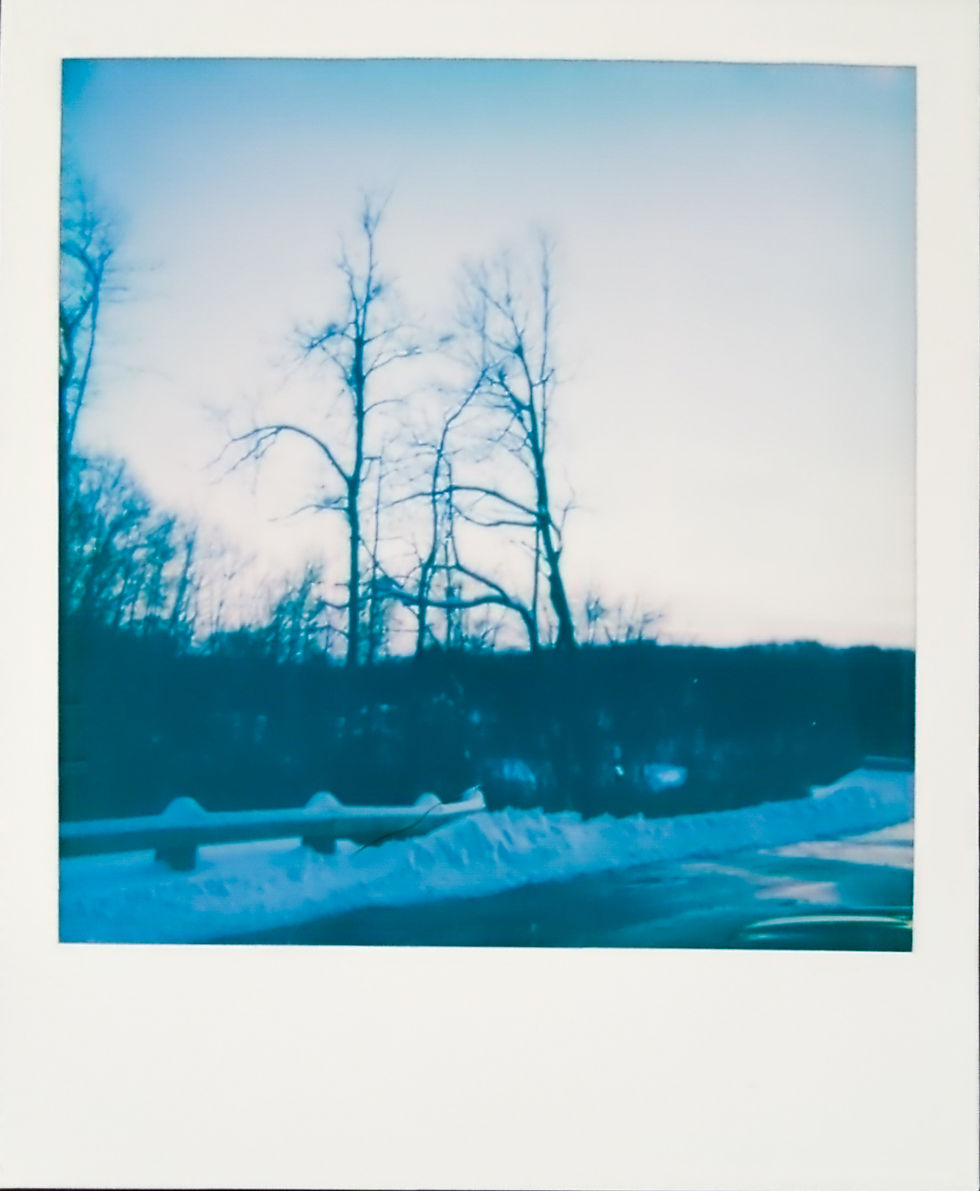


1. RESPECT THE COLD & HEAT 🌡️
Warm it up: If it’s freezing out, instant film turns dark and icy blue. Shield your shot in an inside jacket pocket immediately while it develops to keep the tones rich.
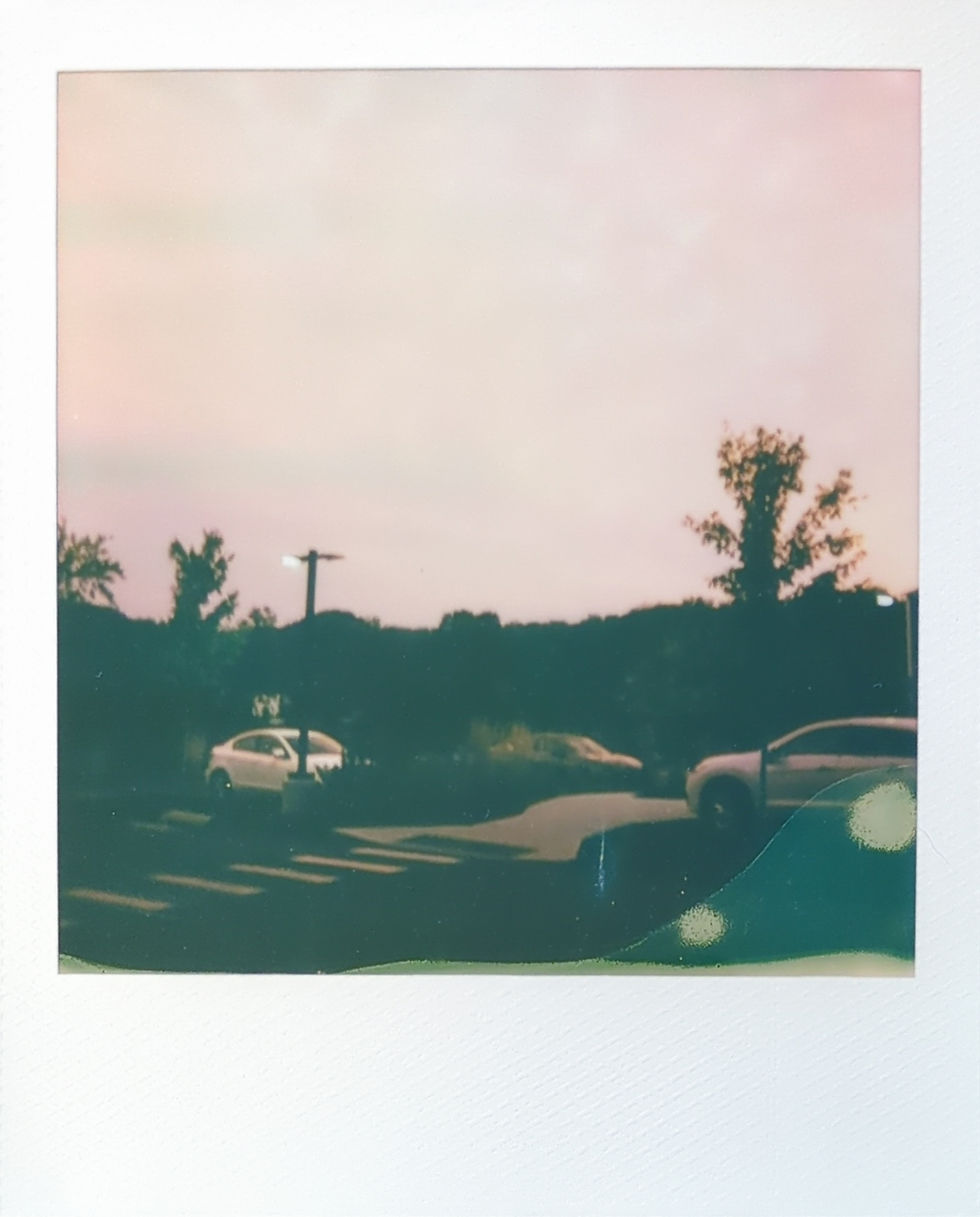


2. EMBRACE THE PARALLAX (STEP BACK) 👁️
Polaroid viewfinders sit slightly above the lens, which means what you see through the glass is not 100% what the film captures up close. Instead of jamming your camera two feet away from a detail, step back at least 3 to 4 feet. This keeps your subject centered, avoids awkward cropping, and gives you that soft, dreamlike optical background.


3. HIGH-CONTRAST HUNTING 🌗
Your homework for this track: Pick a sunny afternoon and go on a hunt for bold, clean light where shadows cut across your scene. Do not take photos of boring, evenly lit "things." Position your subject directly in the sunlight with a dark shadow behind them. Watch how the instant chemistry blows out the highlights into creamy whites and drops the shadows into deep, moody blacks. Instant art.
The Screenless Nostalgic
Lo-Fi Digital
The Vibe: You want that soft, unedited, candid look, but you want to put your phone away so you can actually stay present in the moment.
The Truth: Cameras like the Paper Shoot or thrifted vintage digicams strip away the urge to constantly check your screen. It's the "film look" with zero recurring film costs.

Screenless & Thrifted Digicams 💻
There is a massive creative movement happening right now centered around a single question: How do we capture digital photos without getting sucked into our screens? If you find yourself checking your screen after every single frame ("chimping") or constantly deleting photos on the spot, you are breaking your own creative flow.

1. Magic of a Screenless Workflow
Cameras like the Paper Shoot or old-school early 2000s pocket digicams force you into a beautiful, blind process.
Because there is no LCD screen on the back, you just look through the simple viewfinder, click the shutter, and keep moving.

1. Magic of a Screenless Workflow...
Cameras like the Paper Shoot or old-school early 2000s pocket digicams force you into a beautiful, blind process.
You don't know if the framing was perfect. You don't know if the color grading hit right. You are forced to stay present in the moment you are actually living in.

2. The SD Card Dopamine Drop
The best part of shooting screenless digital is the delay. Instead of instant gratification, you head back to your desk at the end of a weekend, plug your SD card into your laptop, and review your images all at once. It feels exactly like picking up developed prints from a film lab – except it costs you zero dollars in chemistry fees.

3. Sourcing a Digicam Secondhand
Don't buy a trendy "vintage digital camera" online for hundreds of dollars. Go to your local thrift stores, garage sales, or ask family members if they have an old 4-megapixel digital camera from 2004 sitting in a shoebox in their closet. Look for brands like Canon Powershot or Sony Cyber-shot. If it takes an SD card and turns on, you have everything you need.
The Analog Soul
Vintage Film
The Vibe: You love the smell of old paper, tactile mechanics, real grain, and the intentional rhythm of having only 24 or 36 frames per roll.
The Truth: Shooting film forces you to slow down and think about every single shot. It’s highly addictive, beautifully imperfect, and the ultimate way to learn how light functions.

35mm Setup & Loading film 🎞️
Shooting film is a love letter to the physical craft of image-making. When you shoot film, you are physically trapping light onto a strip of plastic coated in silver crystals. It smells like old metal, it makes a heavy mechanical click when you pull the lever, and it teaches you more about the physics of photography in one week than a digital manual ever could.

1. Sourcing Your First 35mm Camera
You don't need a rare, collector-status body. You need a mechanical tank.
The Manual Route: Look for classics like the Pentax K1000, Canon AE-1, or Olympus OM-1. These are completely manual, meaning you control the focus, the shutter speed, and the aperture yourself.

1. Sourcing Your First 35mm Camera...
You don't need a rare, collector-status body. You need a mechanical tank.
The Point-and-Shoot Route: If manual exposure scares you, look for an 80s or 90s plastic point-and-shoot camera (like a Canon Sure Shot or Minolta Freedom). They handle the focus and flash automatically; you just enjoy the film texture.

2. Understanding Your Film Stock
When buying film, you will see numbers like 200, 400, or 800 on the box. This is your film's sensitivity to light.
ISO 200 (Like Kodak Gold): Made for bright, sunny days, beach trips, and outdoor layouts. Gives you those warm, nostalgic, golden-hour tones.

2. Understanding Your Film Stock...
When buying film, you will see numbers like 200, 400, or 800 on the box. This is your film's sensitivity to light.
ISO 400 (Like Kodak Portra or Ultramax): The ultimate all-rounder. Great for cloudy days, indoor studio setups with good window light, and everyday shooting.

3. never Open the Back Cover!
The absolute biggest beginner mistake is curiosity. Once you wind your film and snap your photos, your roll is sitting loosely inside the camera body. If you open that back cover before completely rewinding the film into its metal canister, the ambient room light will instantly destroy your photos. Always use the rewind crank on the top left of your camera until you feel the tension click and release before you pop the latch!
The Beginner's
Shopping Framework 🛒
Before you hand over your credit card or start scrolling through marketplace listings, we break down the three zero-gatekeeping questions every creator needs to ask themselves to avoid buyer's remorse. We chat about things like hidden costs, checking functionality, and sourcing your gear secondhand.
👉 [ Read the Full Guide: How to Buy a Used Camera Without Getting Ripped Off ]
You're Not Alone:
Join the Community 👥
You don't have to figure out settings in a vacuum!
We built a completely free, low-pressure community forum for photographers of all experience levels to chat, troubleshoot, and swap advice.
-
Got questions about a camera you found at a thrift store? Pop a photo of it in our Analog Film Collective.
-
Want a second pair of eyes on your phone edits? Drop a before-and-after shot into the Digital Shooters Society.